
Ein britischer Kosmetikhändler erhielt einst einen kompletten Container mit "100% natürlicher" Seife, der bereits am ersten Tag die Einzelhandels-Compliance-Prüfung nicht bestand — die INCI-Liste auf den Kartons stimmte nicht mit der Sicherheitsdokumentation überein, und die gesamte Sendung wurde im Hafen unter Quarantäne gestellt. Solche Geschichten, zusammen mit Käufern, die eine Anzahlung von 30% überweisen und nie auch nur eine einzige Palette zu sehen bekommen, sind der Grund, warum die Beschaffung von Seife aus China für Erstimporteure wie ein Glücksspiel wirkt. Das muss nicht so sein. Dieser Leitfaden gibt Entscheidungsträgern ein wiederholbares Rahmenwerk zur Überprüfung chinesischer Großhandels-Seifenpartner hinsichtlich Qualität, Zertifizierung, Mindestbestellmenge (MOQ) und Lieferzuverlässigkeit, damit Sie im großen Maßstab mit Zuversicht statt Hoffnung beschaffen können.
- Preis ist nicht gleich Wert. Beurteilen Sie Lieferanten anhand der gesamten Landekosten — Defekte, Nacharbeit und verzögerte Markteinführungen zehren die Marge schneller auf als ein etwas höherer Stückpreis.
- Kennen Sie Ihr Modell. Lagerware/White-Label, Private Label und vollständiges kundenspezifisches OEM unterscheiden sich stark in Bezug auf MOQ, Lieferzeit und Kontrolle.
- Überprüfen Sie Zertifizierungen, bewundern Sie sie nicht nur. GMPC, ISO 22716, FDA-Registrierung und SMETA belegen jeweils unterschiedliche Aspekte — bestätigen Sie Nummern und Ablaufdaten.
- Behandeln Sie Aussagen und INCI-Angaben wie Rechtsdokumente. "Natürlich", "vegan" und "tierversuchsfrei" erfordern für Ihren Zielmarkt einen Nachweis.
- Testen und pilotieren Sie, bevor Sie skalieren. Ein strukturierter Prüfprozess schlägt jedes Verkaufsgespräch.
Warum China die Beschaffung von Großhandelsseife dominiert (und was das für Ihre Margen bedeutet)
Chinas Vorteil im Bulk-Bereich der Körperpflege beruht nicht nur auf günstigen Arbeitskräften. Es ist die Dichte der Lieferkette: Basisöle, botanische Extrakte, ätherische Öle, Verpackung und Formenbau befinden sich oft nur wenige Stunden von der Produktionslinie entfernt. Diese Nähe verringert Kosten und Lieferzeit auf eine Weise, die verstreute Lieferketten nicht erreichen können.
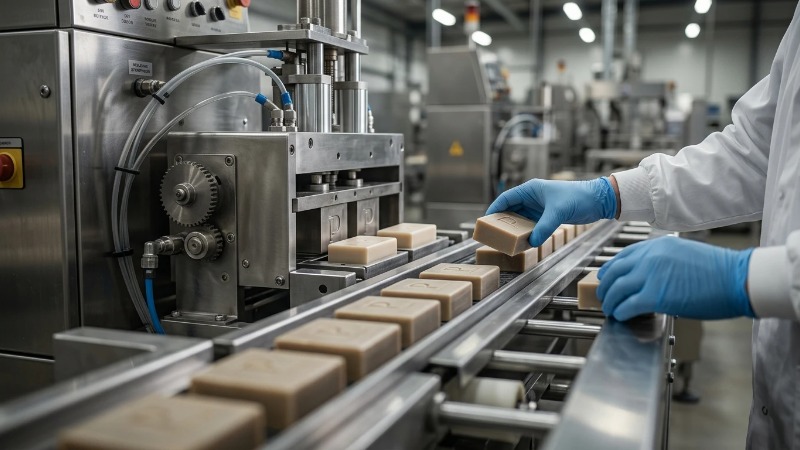
Für einen Bulk-Seifenhersteller bedeutet diese Tiefe auch eine ausgereifte OEM- und Private-Label-Fähigkeit. Sie können von einem Formulierungs-Briefing zu einem fertigen, gebrandeten Riegel übergehen, ohne fünf Lieferanten zusammenzufügen. Die strategische Frage für Käufer ist nicht, ob sie aus China beschaffen sollen — sondern wie sie einen Partner auswählen, der ihre Marke schützt, statt sie zu gefährden.
Die Kosten-Nutzen-Gleichung für Bulk-Seifenkäufer
Der Stückpreis ist die Zahl, auf die jeder starrt. Die Gesamtbetriebskosten sind die Zahl, die über Ihren Gewinn entscheidet. Eine Seife, die pro Riegel zwei Cent weniger kostet, aber mit weichen Kanten, ungleichmäßiger Aushärtung oder einem falsch gekennzeichneten Inhaltsstoffpanel ankommt, kann die Marge einer ganzen Saison durch Rücksendungen und Nacharbeit zunichtemachen.
Werksdirekter Einkauf ist hier der klarste Hebel. Der Wegfall des Aufschlags eines Handelsunternehmens senkt den Preis, aber noch wichtiger ist, dass Sie dadurch in direkten Kontakt mit den für die Qualität Verantwortlichen treten. Wenn etwas schiefgeht, verkürzt direkte Verantwortlichkeit den Weg zur Lösung.
Für wen dieser Leitfaden gedacht ist
Markeninhaber im Einzelhandel, die ein Vorzeigeprodukt skalieren, Distributoren, die einen Katalog füllen, Private-Label-Startups, die ihre erste Produktlinie einführen, Einkäufer aus Hotellerie und Gastgewerbe, die palettenweise bestellen, sowie Einkaufsleiter, die einer Gewinn- und Verlustrechnung Rechenschaft schulden. Wenn Ihr Ruf von dem abhängt, was auf der Verpackung steht, ist dieser Leitfaden für Sie geschrieben.
Großhandel Seifenherstellung: Die wichtigsten Modelle erklärt
Bevor Sie Lieferanten vergleichen, sollten Sie genau verstehen, was Sie eigentlich kaufen. Drei Beschaffungsmodelle dominieren, und die Wahl des falschen Modells ist der häufigste Anfängerfehler.
Lagerware / White-Label: eine bestehende Fabrikrezeptur, die mit minimalen Änderungen unter Ihrer Marke verkauft wird. Private Label: eine Basisrezeptur, die an Ihre Duft-, Farb- und Verpackungsvorgaben angepasst wird. Vollständiges kundenspezifisches OEM: eine Rezeptur, die nach Ihren Vorgaben entwickelt wird, von der Inhaltsstoffliste bis zur Form.
| Beschaffungsmodell | Anpassung | Typische Mindestbestellmenge | Lieferzeit | Am besten geeignet für |
|---|---|---|---|---|
| Lagerware / White-Label | Niedrig | Niedriger | Kürzer | Schneller Markteintritt |
| Handelsmarke | Mittel | Mittel | Mittel | Markenaufbauer |
| Vollständig individuelles OEM | Hoch | Höher | Länger | Differenzierte Produktlinien |
Handgefertigt vs. maschinelle Fertigung
"Handgefertigt" bedeutet im Großhandelsmaßstab selten, dass ein Kunsthandwerker einen Laib nach dem anderen gießt. Es bedeutet meist Kaltverfahren- oder Heißverfahren-Chargen, Handschneiden, Handstempeln oder handwerkliche Veredelungsschritte, die in einen teilautomatisierten Ablauf eingebettet sind. Das ist eine legitime Verwendung des Begriffs — fragen Sie die Fabrik jedoch, welche Schritte genau manuell ausgeführt werden.
Automatisierte Fertigungslinien punkten bei Konsistenz und Volumen. Eine leistungsfähige Naturseifenfabrik betreibt beides: handveredelte Premiumlinien neben durchsatzstarken Linien für Amenity- und Werbeaufträge. Die richtige Mischung hängt von Ihrem Preispunkt und Ihrem Volumen ab.
Zertifizierungen richtig lesen, die wirklich zählen
Zertifizierungen sind nur nützlich, wenn Sie verstehen, was jede einzelne tatsächlich bestätigt. Marketingseiten neigen dazu, Logos aufzulisten; Käufer müssen sie wie ein Compliance-Auditor lesen.
GMPC, ISO 22716 und GMP: was jede davon abdeckt
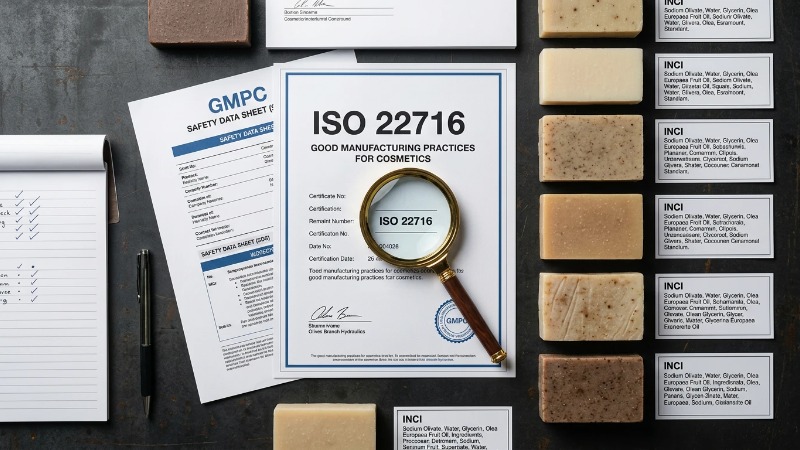
ISO 22716 und GMPC (Good Manufacturing Practice for Cosmetics) legen fest, wie eine Anlage Produktion, Hygiene, Dokumentation und Rückverfolgbarkeit für kosmetische Produkte kontrolliert — Seife eingeschlossen, in den meisten Rechtsordnungen. Sie zeigen, dass die Fabrik über Systeme für Reproduzierbarkeit und Kontaminationskontrolle verfügt, nicht, dass eine bestimmte Formel "gut" ist.
GMP-Rahmenwerke wie GMP 211 stammen aus der pharmazeutischen Fertigung und signalisieren eine noch strengere Prozessdisziplin. Im Bereich Körperpflege ist ISO 22716 / GMPC der zentrale Maßstab, auf den Käufer bestehen sollten.
FDA-Registrierung, SMETA und ethische/soziale Audits
Hier ist eine Nuance, die Käufer oft übersieht: Bei Kosmetika ist die "Registrierung" einer Anlage bei der US-amerikanischen FDA keine Zulassung oder Befürwortung des Produkts durch die FDA. Sie bestätigt lediglich, dass die Anlage registriert ist und erwartungsgemäß die geltenden Anforderungen erfüllt. Betrachten Sie dies als grundlegendes Signal, nicht als Qualitätsgarantie.
SMETA (Sedex Members Ethical Trade Audit) deckt Arbeitsbedingungen, Gesundheit und Sicherheit, Umwelt sowie Geschäftsethik entlang der gesamten Lieferkette ab. Für Marken, die gegenüber Einzelhändlern oder ESG-Richtlinien rechenschaftspflichtig sind, wird ein aktuelles SMETA-Audit zunehmend unverzichtbar.
So überprüfen Sie, ob ein Zertifikat echt und aktuell ist
Fragen Sie nach der Zertifikatsnummer, der ausstellenden Stelle und dem Ablaufdatum — und bestätigen Sie diese anschließend unabhängig im Register des Ausstellers. Ein seriöser GMP-zertifizierter Seifenhersteller aus China wird Ihnen diese Angaben problemlos zur Verfügung stellen. Zögern oder ein "wir schicken es später" ist ein Warnsignal, das Sie ernst nehmen sollten.
Inhaltsstoffe, INCI und rechtlich zulässige Sicherheitsangaben
Hier wird nachlässige Beschaffung schnell zum rechtlichen Risiko. Produkte mit Hautkontakt unterliegen realen Sicherheits- und Kennzeichnungspflichten, und die Verpackung ist eine regulierte Fläche, kein reiner Gestaltungsraum.
Die INCI-Liste auf einem Großhandelsprodukt entschlüsseln
Die INCI-Liste (International Nomenclature of Cosmetic Ingredients) ist die standardisierte Inhaltsstoffdeklaration, die Ihre Zielmärkte erwarten. Eine vollständige, korrekte Offenlegung ist keine Option — sie ist entscheidend für die Zollabfertigung, die Allergenkennzeichnung und die Angaben, die Sie drucken dürfen. Gleichen Sie die INCI-Liste stets mit der Sicherheitsdokumentation ab, bevor Sie die Verpackungsgestaltung freigeben.
"Natürlich," "vegan" und "tierversuchsfrei": Nachweis statt Werbeversprechen
Für jedes dieser Wörter braucht es Belege. "Vegan" bedeutet, dass keine tierischen Inhaltsstoffe enthalten sind; "tierversuchsfrei" betrifft die Testpolitik; für "natürlich" gibt es keine einheitliche gesetzliche Definition, daher muss die Verwendung für Ihren Markt ehrlich und nachweisbar sein. Vermeiden Sie Wirksamkeits- oder Gesundheitsaussagen — wenn behauptet wird, ein Stück Seife "behandelt" oder "heilt" eine Hauterkrankung, kann es als Arzneimittel eingestuft werden und regulatorische Probleme nach sich ziehen.
Patch-Tests, Hauttypen und Grundlagen der Rezeptur
Eine gute Rezeptur stimmt Basis und Zusatzstoffe auf den vorgesehenen Nutzer ab: mildere Tensidsysteme und zusätzliche Feuchthaltemittel für trockene oder empfindliche Haut, leichtere, gut abspülbare Formulierungen für fettige Haut. Empfehlen Sie Endverbrauchern als vorsichtige Standardpraxis, neue Produkte per Patch-Test zu testen. Fragen Sie Ihren Lieferanten nach dem pH-Bereich und der Stabilitätsprüfung — ein gut ausgehärtetes, angemessen gepuffertes Stück Seife funktioniert und hält sich deutlich besser als ein unzureichend getestetes.
Den passenden Lieferanten für die Vorschriften Ihres Zielmarktes finden
Die gleiche Seife kann in einem Markt legal sein und in einem anderen blockiert werden. Ihr Lieferant sollte die Dokumentation verstehen, die jedes Zielland verlangt — und sie auf Anfrage vorlegen können.
Wesentliche Grundlagen zu EU CPNP und US-Kennzeichnung
In der EU erfordern kosmetische Produkte in der Regel eine Meldung über das CPNP-Portal sowie einen Sicherheitsbericht für kosmetische Produkte, der von einer verantwortlichen Person unterstützt wird. In den USA sind die korrekte Kennzeichnung der Inhaltsstoffe, Angaben zur Nettomenge und Warnhinweise entscheidend. Verlangen Sie, dass die Fabrik die zugrunde liegenden Daten — Rezepturen, Sicherheitsdaten und INCI — bereitstellt, die zur Erstellung dieser Unterlagen erforderlich sind.
Südostasien und Naher Osten (Halal-Aspekte)
Südostasiatische Märkte folgen häufig den ASEAN-Meldeschemata für Kosmetika, während Käufer aus dem Nahen Osten oft eine Halal-konforme Beschaffung von Inhaltsstoffen benötigen — wobei bestimmte tierische Fette und spezielle Alkohole vermieden werden müssen, mit entsprechender Zertifizierung. Ein Lieferant mit Erfahrung in der EU, den USA, Südostasien und dem Nahen Osten kennt diese Unterschiede bereits und kann sie ansprechen, bevor sie zu einem Zollproblem werden.
MOQ, Preisgestaltung und Lieferzeiten: Aus einer Position der Stärke verhandeln
Verhandlungen verlaufen besser, wenn Sie verstehen, wo die Kosten eines Lieferanten tatsächlich liegen. Dann können Sie die richtigen Variablen tauschen, anstatt an den falschen Stellschrauben zu drehen.
Wie MOQ, Verpackung und Formkosten zusammenhängen
Die Kosten konzentrieren sich auf vier Bereiche: Rezeptur, individuelle Formen, Verpackung und Versand. Eine individuelle Form ist eine einmalige Werkzeugkosten, die den Stückpreis bei höheren Volumina senkt — deshalb steigen die MOQs mit dem Grad der Individualisierung. Die Verpackung — Schachteln, Hülsen, Schrumpffolie — überrascht neue Käufer oft, da sie mit den Kosten der Seife selbst mithalten kann.
Musterproduktion und schnelles Prototyping vor der Entscheidung
Skalieren Sie niemals allein auf Basis eines Datenblatts. Kostenlose Designunterstützung und schnelles Prototyping ermöglichen es Ihnen, Duft, Schaum, Farbe, Aushärtung und Verpackungspassform zu validieren, bevor Kapital gebunden wird. Eine kurze Prototyping-Phase ist die günstigste Versicherung, die Sie gegen einen fünfstelligen Fehler abschließen können.
Einen realistischen Zeitplan für Produktion und Versand erstellen
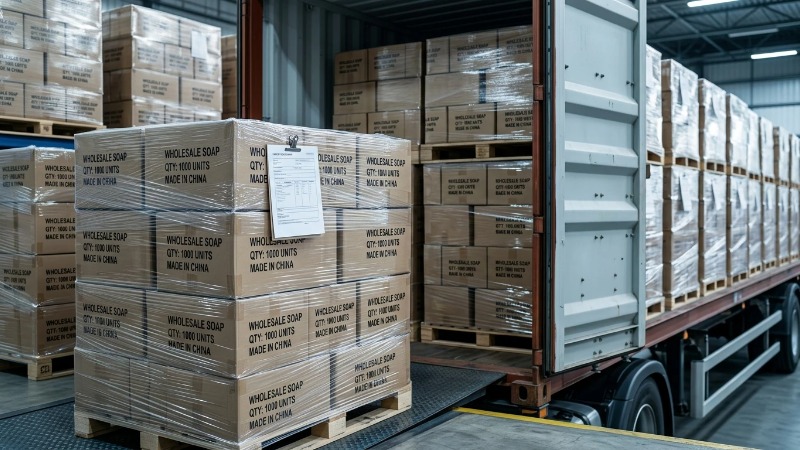
Seefracht ist wirtschaftlich, aber langsam; Luftfracht ist schnell, aber kostspielig und für große Seifenvolumen selten sinnvoll. Planen Sie einen Puffer für Aushärtezeit, Qualitätskontrollen und Verzögerungen im Hafen ein. Benchmarks aus der Einzelhandels- und Industrieplanung zeigen durchgängig, dass Einkäufer, die einen realistischen zeitlichen Puffer einplanen, Regaltermine deutlich zuverlässiger erreichen als jene, die mit dem theoretischen Minimum kalkulieren.
Ein schrittweiser Prüfprozess für Großhandelspartner im Seifenbereich
- Spezifikationen, Zielmarkt und Compliance-Anforderungen definieren — klären Sie zunächst Formelabsicht, Aussagen und Zielmarktvorschriften.
- Direkte Werkslieferanten mit Handelsunternehmen vergleichen — entscheiden Sie, wen Sie tatsächlich zur Verantwortung ziehen möchten.
- Zertifikate, INCI-Listen und Referenzen anfordern — und diese unabhängig überprüfen.
- Muster bestellen und Prüf- und Qualitätstests durchführen — Schaumbildung, Aushärtung, pH-Stabilität und Verpackung prüfen.
- Mindestbestellmenge, Preisstaffeln und Zahlungsbedingungen prüfen — kalkulieren Sie die Gesamtkosten frei Haus, nicht nur den Stückpreis.
- Vor der Skalierung eine Testbestellung durchführen — die Partnerschaft zunächst mit einer kleinen Charge erproben.
Direkter Werkslieferant vs. Handelsunternehmen: Vor- und Nachteile
| Faktor | Direkter Werkslieferant | Handelsunternehmen |
|---|---|---|
| Preiskontrolle | Stärker | Zusätzliche Marge |
| Individualisierungstiefe | Höher | Variabel |
| Multi-Produkt-Beschaffung | Enger | Breiter |
| Qualitätsverantwortung | Direkt | Vermittelt |
Häufige Fehler, die Großhandelskäufer Geld kosten
Den niedrigsten Stückpreis über Zuverlässigkeit zu stellen
Das günstigste Angebot verbirgt oft dürftige Dokumentation und uneinheitliche Ergebnisse. Ein Private-Label-Seifenlieferant, der Ihnen zwei Cent spart, aber ein Launch-Fenster verpasst, kostet Sie durch entgangenen Abverkauf weitaus mehr.
Muster- und Stabilitätstests überspringen
Eine Formel anhand von Fotos und Versprechen freizugeben, führt dazu, dass Käufer Risse, Ausschwitzungen oder unangenehme Gerüche erst entdecken, nachdem 10.000 Einheiten verpackt sind. Testen Sie die Aushärtung und die Lagerung, nicht nur das frische Muster.
Dokumentation erst berücksichtigen, wenn der Zoll die Sendung stoppt
Compliance-Unterlagen sollten während der Prüfung zusammengestellt werden, nicht erst am Hafen. Ein festgehaltener Container verursacht täglich Standgebühren, während Sie noch nach einem Sicherheitsbericht suchen, den Sie schon in der ersten Woche hätten haben sollen.
Die Vorlaufzeit für Verpackung und Compliance unterschätzen
Individuelle Kartons, Etikettenänderungen und Meldeverfahren kosten jeweils zusätzliche Wochen. Planen Sie diese parallel zur Produktion ein, sonst werden sie unbemerkt zu Ihrem kritischen Pfad.
Die wichtigsten Erkenntnisse
- Wählen Sie zuerst das richtige Modell: Lagerware, Private Label oder vollständiges Custom-OEM bestimmt Ihre Mindestbestellmenge, Kosten und Vorlaufzeit.
- Überprüfen Sie jede Zertifizierung — GMPC, ISO 22716, FDA-Registrierung, SMETA — anhand der Nummer und des Ablaufdatums, nicht anhand des Logos.
- Behandeln Sie INCI und Werbeaussagen als Compliance, nicht als Marketingtext; stellen Sie niemals Wirksamkeits- oder medizinische Behauptungen auf, die Sie nicht belegen können.
- Wählen Sie den Lieferanten passend zu den Vorschriften Ihres Marktes — EU-CPNP, US-Kennzeichnung, ASEAN-Meldung oder Halal-Beschaffung.
- Verhandeln Sie über die gesamten Lieferkosten, indem Sie Formen, Verpackung und Mindestbestellmenge als Hebel nutzen.
- Muster bestellen, Pilotphase durchführen, dann skalieren — ein disziplinierter Prüfprozess ist Ihr bester Schutz.
Häufig gestellte Fragen
Wie hoch ist die typische Mindestbestellmenge (MOQ) für Großhandelsseife in China?
Sie variiert stark je nach Modell. Lagerware und White-Label-Chargen haben die niedrigsten Mindestmengen, Private Label liegt im mittleren Bereich, und vollständig individuelles OEM — das neue Formen und Verpackungen erfordern kann — hat höhere Mindestmengen, um die Werkzeugkosten auszugleichen. Lieferanten mit flexiblen MOQ-Richtlinien können oft kleinere Pilotbestellungen ermöglichen, bevor Sie sich auf ein größeres Volumen festlegen.
Wie lange dauert die Produktion von Private-Label-Seife?
Planen Sie den gesamten Zyklus ein: Bestätigung der Rezeptur, Musterentnahme, Produktion, Aushärtezeit, Qualitätskontrolle und Versand. Die Vorlaufzeiten für Private Label sind in der Regel kürzer als bei vollständig individuellem OEM, aber länger als bei Lagerbestellungen. Seefracht verlängert die Transitzeit erheblich, daher sollten Sie einen Puffer um Ihr Regallistungsdatum einplanen, anstatt mit dem theoretischen Minimum zu kalkulieren.
Sind handgefertigte Seifen, die im Großhandelsmaßstab produziert werden, noch "natürlich"?
Das können sie sein, vorausgesetzt, die Inhaltsstoffe erfüllen tatsächlich die Definition und die Aussage ist belegbar. "Handgefertigt" bedeutet im großen Maßstab meist manuelle Veredelungsschritte, die auf die Chargenproduktion aufgesetzt werden. Fragen Sie den Lieferanten, welche Schritte manuell erfolgen, und fordern Sie die INCI-Liste an, um zu bestätigen, dass die Inhaltsstoffliste eine "natürliche" oder "vegane" Behauptung stützt.
Welche Zertifizierungen sollte eine konforme Seifenfabrik besitzen?
Für Kosmetik und Körperpflege ist ISO 22716 / GMPC der zentrale Maßstab für Fertigungsqualität. Die FDA-Betriebsregistrierung ist eine sinnvolle Grundlage für den US-Markt, und ein SMETA-Audit belegt ethische Praktiken in der Lieferkette. Vergewissern Sie sich, dass jedes Zertifikat aktuell ist und von einer anerkannten Stelle ausgestellt wurde.
Können Lieferanten bei der Erstellung von Compliance-Dokumenten für EU/US/Halal helfen?
Ein erfahrener Werksdirektpartner kann die zugrunde liegenden Daten liefern – Rezepturen, Sicherheitsinformationen und INCI-Listen –, die Käufer für die Fertigstellung von EU-CPNP-Meldungen, US-Kennzeichnungen oder Halal-Zertifizierungen benötigen. Der Lieferant stellt in der Regel die Quelldokumentation bereit; die Marke oder ihre verantwortliche Person reicht die behördliche Meldung ein.
Wie kann ich vor Zahlung einer Anzahlung die Seriosität eines Werks überprüfen?
Überprüfen Sie Zertifizierungen bei den ausstellenden Stellen, fordern Sie Gewerbelizenzen und Referenzen an, bestellen Sie Muster und ziehen Sie ein Video- oder Drittaudit des Werks in Betracht. Beginnen Sie mit einer Testbestellung zu klaren Zahlungsbedingungen. Seriöse Lieferanten begrüßen eine sorgfältige Prüfung; Widerstand gegen grundlegende Verifizierung ist ein Warnsignal.
Arbeiten Sie mit einem Werksdirektpartner, der auf Skalierung ausgelegt ist
Poleview Biotechnology Co., Ltd. wurde 2016 gegründet und betreibt eine 30.000 Quadratmeter große Fabrik für handgefertigte Seife mit acht automatisierten Produktionslinien und einer Tagesproduktion von 100.000 Stück. Unsere Produktion ist durch die Zertifizierungen GMP 211, GMPC, ISO 22716, FDA und SMETA abgesichert, und unsere Rezepturen verwenden zu 100 % natürliche, vegetarische und tierversuchsfreie Inhaltsstoffe.
Für Markeninhaber, Distributoren und Einkaufsverantwortliche, die in Europa, Amerika, Südostasien und dem Nahen Osten beschaffen, bieten wir Werksdirektpreise, flexible Mindestbestellmengen, kostenloses Design, schnelle Prototypenerstellung und pünktliche Lieferung. Wenn Sie einen Großhandels-Seifenhersteller in China vergleichen, stellen Sie uns anhand genau der Kriterien in diesem Leitfaden auf die Probe.
Senden Sie uns Ihre Spezifikationen, Ihren Zielmarkt und Ihre Kennzeichnungsangaben, und unser F&E- und Vertriebsteam erstellt ein individuelles Angebot sowie ein Muster, damit Sie mit Zuversicht beschaffen können – nicht auf gut Glück.