
Eine niederlandische Indie-Hautpflegemarke war achtzehn Monate lang an einen inlandischen Lohnhersteller gebunden, der 5.000 Einheiten pro SKU verlangte und €4,20 pro fertigem Stuck berechnete. Nach dem Wechsel zu einem chinesischen OEM-Werk brachten sie eine 12-SKU-Kaltverfahren-Linie mit einer MOQ von 1.000 Stuck pro Variante auf den Markt, senkten die Landkosten um rund 40% und bestanden dennoch die EU-Sicherheitsbewertung vor ihrem ersten Einzelhandelsfenster.
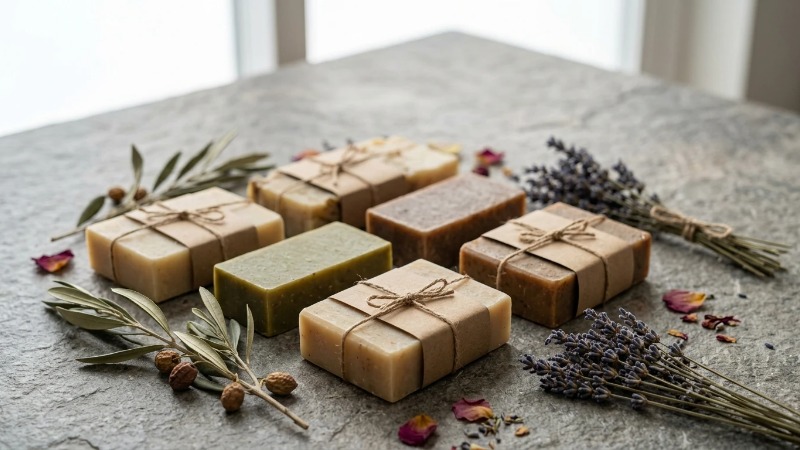
Diese Art von Wandel — von margenschwacher, MOQ-blockierter Ware hin zu regalfertigen Produkten — soll dieser Leitfaden geschaftlichen Einkaufern wiederholbar machen. Im Folgenden erfahren Sie, wie Sie echte, weitgehend synthetikfreie, handgefertigte Seifenstucke aus China beziehen, ohne bei Compliance, Produktqualitat oder Lieferzeiten ein Risiko einzugehen.
- "Chemikalienfrei" ist eine Marketingfloskel, keine formulierungstechnische Realitat — verlangen Sie stattdessen den Verzicht auf synthetische Tenside, Sulfate, Parabene oder synthetische Duftstoffe.
- Zertifizierungen reduzieren das Exportrisiko: ISO 22716, GMPC, SMETA und die FDA-Registrierung sind die Nachweise, die fur die EU, die USA, den GCC und Sudostasien zahlen.
- Das Kaltverfahren eignet sich fur hochwertige Naturlinien, da es Wirkstoffe aus Ol sowie naturliches Glycerin bewahrt.
- MOQ und Vorlaufzeit erfordern Planung — allein die Reifezeit kann vier bis sechs Wochen vor dem Versand hinzufugen.
- Dokumentation ist unverzichtbar: COA, Sicherheitsdatenblatt, Allergendeklarationen und Stabilitatsberichte sollten Standard sein, keine Sonderwunsche.
Was "Chemikalienfrei" und "Natur" bei Seifenstucken tatsachlich bedeuten
Zwischen den Angaben auf einer Seifenverpackung und der Chemie im Stuck besteht haufig eine erhebliche Lucke. Diese Lucke zu schliessen, ist die erste Aufgabe jedes ernsthaften Einkaufers, denn eine nicht belegbare Aussage ist in jedem Exportmarkt, der Ihnen wichtig ist, ein Risiko.
Verseifung Grundlagen: Warum jede Seife auf Chemie beruht
Jedes echte Stuck Seife ist das Ergebnis einer chemischen Reaktion: Fette und Ole reagieren mit einer Lauge — Natriumhydroxid, gemeinhin als Lauge bezeichnet. Ohne Lauge keine Seife. "Chemikalienfreie Seife" ist als wortliche Aussage daher wissenschaftlich unmoglich.
Was verantwortungsbewusste Marken tatsachlich meinen — und was Sie in Ihrer Spezifikation festlegen sollten — ist der Verzicht auf synthetische Zusatzstoffe. Das bedeutet: keine synthetischen Tenside, kein SLS oder SLES, keine Parabene, keine synthetischen Duft- oder Farbstoffe. Richten Sie Ihr Briefing an diesem Standard aus, und Sie schutzen sowohl Ihre Compliance als auch Ihre Glaubwurdigkeit.
Das INCI lesen: Was gehört auf ein Clean Label
Die INCI-Liste (International Nomenclature of Cosmetic Ingredients) ist der Punkt, an dem Marketing auf Wahrheit trifft. Prüfen Sie sie Zeile für Zeile, bevor Sie irgendetwas unterschreiben.
| INCI-Begriff | Was er bedeutet | Käufer-Hinweis |
|---|---|---|
| Sodium Olivate / Cocoate | Verseiftes Oliven-/Kokosöl (echte Seife) | Gut |
| Sodium Lauryl Sulfate | Synthetisches Tensid | Bei "natürlich"-Anspruch vermeiden |
| Parfum (synthetisch) | Nicht deklarierte Duftmischung | Nach einer Alternative auf Basis ätherischer Öle fragen |
| Glycerin | Natürliches Nebenprodukt mit feuchtigkeitsbindender Wirkung | Gut |
"Natürlich" vs. "Bio" vs. "Vegan" vs. "Tierversuchsfrei"
Diese vier Aussagen überschneiden sich, sind jedoch nicht austauschbar. Natürlich wird größtenteils selbst deklariert und hat in den meisten Märkten keine einheitliche gesetzliche Definition. Bio erfordert in der Regel eine Zertifizierung durch Dritte, die an Standards für die Rohstoffbeschaffung gebunden ist.
Vegan bedeutet, dass keine tierischen Inhaltsstoffe enthalten sind (relevant bei Talg, Lanolin oder Milchseifen), während tierversuchsfrei sich auf Testpraktiken bezieht. Nur einige dieser Aussagen sind mit einer durchsetzbaren Zertifizierung verbunden; behandeln Sie die übrigen als Behauptungen, die Sie mit Nachweisen belegen können müssen.
Kaltverfahren vs. Heißverfahren vs. Schmelz- und Gießverfahren: Die richtige Methode wählen
Ihre Herstellungsmethode setzt die Obergrenze für Textur, Individualisierung, Kosten und Aushärtezeit. Treffen Sie diese Entscheidung frühzeitig — sie wirkt sich auf alle nachfolgenden Schritte aus.
Methodenvergleich auf einen Blick
| Methode | Aushärtezeit | Individualisierungsgrenze | Relative Kosten/Riegel | Bester Anwendungsfall |
|---|---|---|---|---|
| Kaltverfahren | 4–6 Wochen | Hoch | Mittel–Hoch | Premium-Naturlinien |
| Heißverfahren | 1–2 Wochen | Mittel | Mittel | Rustikale handwerkliche Seifenstücke |
| Schmelz-und-Gieß-Verfahren | Minimal | Niedrig–Mittel | Niedrig | Schnell, dekorativ, Geschenklinien |
Warum das Kaltverfahren bei hochwertigen Naturseifenlinien dominiert
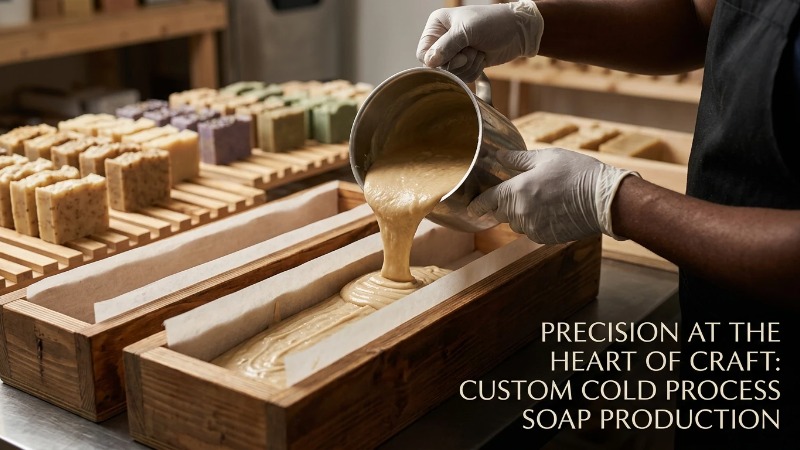
Beim Kaltverfahren erfolgt die Verseifung bei niedrigen Temperaturen, wodurch der Charakter empfindlicher Öle und pflanzlicher Zusätze erhalten bleibt. Zudem wird auf natürliche Weise Glycerin bewahrt — der feuchtigkeitsspendende Stoff, der hochwertigen Seifenstücken ihre charakteristische Milde verleiht.
Für Marken, die sich über Authentizität und reine Rezepturen positionieren, verkörpert das Kaltverfahren die handwerkliche Geschichte, für die Verbraucher bereit sind, einen Aufpreis zu zahlen. Der Kompromiss ist Geduld: Die Reifezeit ist real und kann nicht ohne Risiko übersprungen werden.
Rezeptur auf Hauttyp und Werbeaussage abstimmen
Körperpflege fällt teilweise in den Bereich „Your-Money-or-Your-Life“, weshalb sprachliche Disziplin wichtig ist. Beschreiben Sie kosmetische Vorteile, keine medizinischen Ergebnisse, und suggerieren Sie niemals, dass Ihr Seifenstück eine Erkrankung behandelt.
Ölprofile und ihre Hautvorteile
Jedes Basisöl trägt messbare, kosmetische Eigenschaften bei. Durch ihre Kombination bestimmen Rezepturentwickler das Gefühl des fertigen Stücks Seife.
| Öl | Trägt bei zu | Kosmetischer Hinweis |
|---|---|---|
| Olive | Sanftes, pflegendes Gefühl | Mild, wenig Schaum |
| Kokosnuss | Härte, viel Schaum | Reinigend; hohe Anteile können austrocknend wirken |
| Sheabutter | Cremiges, feuchtigkeitsspendendes Gefühl | Verleiht Reichhaltigkeit |
| Rizinus | Stabiler, prickelnder Schaum | Wird in geringen Anteilen verwendet |
Überlegungen für empfindliche, ölige, trockene und reife Haut
Bei empfindlicher Haut sollten duftstofffreie oder ätherisch-ölarme Rezepturen sowie einfachere Zutatenlisten bevorzugt werden. Fettere Hauttypen bevorzugen häufig stärker reinigende Mischungen, während trockene und reife Haut in der Regel gut auf einen höheren Überfettungsgrad und Butteranteil anspricht.
Beschreiben Sie diese als Eignungspräferenzen, nicht als Heilmittel. Die ehrliche Formulierung — "für ein sanftes Gefühl auf empfindlicher Haut konzipiert" — hält Sie regelkonform und vertrauenswürdig.
Der Standard für Patch-Test und Sicherheitshinweise
Verantwortungsbewusste Marken drucken Anwendungshinweise und eine Empfehlung zum Patch-Test, insbesondere bei Seifenstücken mit ätherischen Ölen. Ein kompetenter Hersteller unterstützt dies durch Stabilitätsprüfungen und Sicherheitsdokumentation, anstatt Sie die Angaben selbst improvisieren zu lassen.
Zertifizierungen und regulatorische Konformität für Exportmärkte
Für Entscheidungsträger sind Zertifizierungen keine Abzeichen — sie sind Risikoübertragung. Sie belegen, dass eine Anlage nach einem anerkannten Standard arbeitet und dass Ihr Produkt legal in den Zielmarkt eingeführt werden kann.
Die Zertifizierungen, die wirklich zählen
ISO 22716 definiert die Gute Herstellungspraxis für Kosmetika — den Grundstandard für Hygiene, Rückverfolgbarkeit und Prozesskontrolle. GMPC orientiert sich an denselben GMP-Prinzipien für die Kosmetikherstellung.
SMETA ist ein Rahmenwerk für ethische Audits, das Arbeitsbedingungen abdeckt und zunehmend von westlichen Einzelhändlern verlangt wird. FDA-Betriebsregistrierung signalisiert einen Hersteller, der auf das US-Regulierungsumfeld vorbereitet ist.
Compliance-Überblick nach Region
| Markt | Wesentliche Anforderung | Hinweise |
|---|---|---|
| EU | CPNP-Meldung, EU-Kosmetikverordnung 1223/2009, Verantwortliche Person | Sicherheitsbewertung erforderlich |
| USA | MoCRA-Betriebsregistrierung, FDA-Kennzeichnung | Wirksam gemäß den modernisierten Vorschriften |
| GCC/Naher Osten | GSO-Normen / Halal-Aspekte | Die Herkunft der Inhaltsstoffe ist entscheidend |
| Südostasien | ASEAN-Kosmetikrichtlinie – Meldung | Länderspezifische Portale |
Der Modernization of Cosmetics Regulation Act (MoCRA), dessen durchsetzbare Anforderungen seit 2023 schrittweise in Kraft treten, bedeutet, dass für Produkte mit Bestimmungsort USA nun Verpflichtungen zur Betriebsregistrierung und Produktlistung bestehen, die es vor wenigen Jahren noch nicht gab. Berücksichtigen Sie dies in Ihrem Zeitplan für die Markteinführung.
Dokumentation, die Käufer anfordern sollten
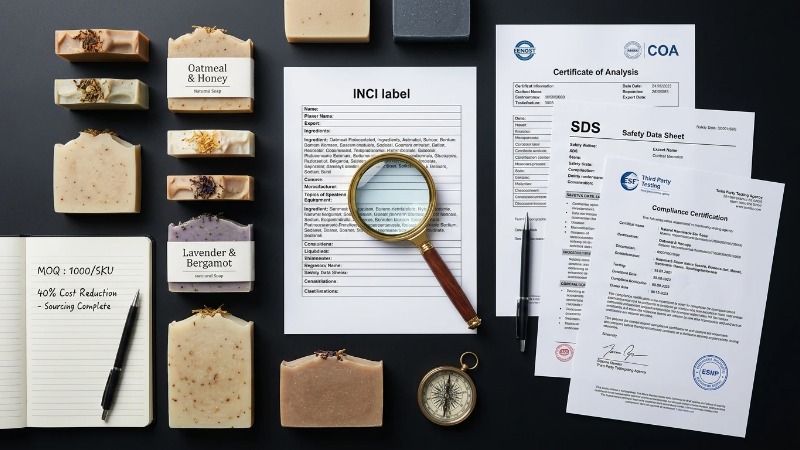
Fordern Sie ein Analysezertifikat (COA), ein Sicherheitsdatenblatt (SDS), Allergendeklarationen sowie Stabilitäts- und Konservierungswirksamkeitstests (Challenge Test) an. Ein Lieferant, der diese auf Anfrage bereitstellt, signalisiert operative Reife; einer, der zögert, sagt Ihnen ebenfalls etwas.
Private Label vs. OEM vs. ODM: Die Partnerschaft strukturieren
Das Geschäftsmodell bestimmt, wem was gehört — Rezeptur, Form und Design — und dieses Eigentum prägt Ihre Verhandlungsposition über Jahre hinweg.
Definitionen und Eigentumsverhältnisse von Rezeptur und Design
Private Label bringt Ihre Marke auf eine bestehende, bewährte Rezeptur — am schnellsten marktreif, mit den geringsten Entwicklungskosten und einem geteilten Rezept. OEM fertigt nach Ihren Spezifikationen, häufig mit einer Rezeptur und Form, die Ihnen gehört. ODM bedeutet, dass die Fabrik das Konzept entwickelt und entwirft und Ihnen das fertige Konzept anschließend lizenziert oder verkauft.
Klären Sie schriftlich, wem das Rezept, die physische Form und die Verpackungsgestaltung vor der Produktion gehören. Unklarheiten in diesem Punkt sind die häufigste Ursache für Lieferantenstreitigkeiten.
Kostenlose Design- und Rapid-Prototyping-Workflows
Ein typischer Prototyping-Ablauf führt vom Briefing über die Rezepturmusterung, dann die Formenherstellung und Verpackungs-Mockups, bis hin zu einem Vorserienmuster für die endgültige Freigabe. Fabriken, die kostenloses Design und schnelles Prototyping anbieten, verkürzen diesen Zyklus und ermöglichen es Ihnen, marktreife Konzepte zu testen, bevor Sie sich auf umfangreiche Werkzeugbau-Investitionen festlegen.
Kosten, Mindestbestellmenge und Lieferzeit: Wie Großeinkäufe aus China wirklich aussehen
An diesem Punkt wird die vorherrschende Suchabsicht transaktional. So verhält sich die Wirtschaftlichkeit in der Praxis.
Kostentreiber im Detail
Die Frachtkosten pro Stück setzen sich aus mehreren Faktoren zusammen: Rohstoffe (hochwertige pflanzliche Öle und ätherische Öle wirken sich am stärksten aus), Form und Werkzeugbau, Verpackung, Zertifizierung und Prüfung sowie Fracht. Zutaten und Verpackung dominieren in der Regel die variablen Kosten, während Werkzeugbau und Zertifizierung vorab anfallende Fixkosten sind, die auf das Volumen umgelegt werden.
Da diese Faktoren je nach Rezeptur und Bestellgröße stark variieren, sollten Sie einen einzelnen Stückpreis mit Vorsicht behandeln und stattdessen ein detailliertes Angebot mit Einzelposten anfordern.
Erwartungen zu Mindestbestellmenge und Lieferzeit
| Phase | Typische Dauer |
|---|---|
| Musterung & Freigabe | 1–3 Wochen |
| Serienproduktion | 2–4 Wochen |
| Reifung (Kaltverfahren) | 4–6 Wochen |
| Qualitätskontrolle & Verpackung | 1 Woche |
| Seefracht (in die EU/USA) | 4–6 Wochen |
Flexible Fabriken können MOQs im niedrigen vierstelligen Bereich anbieten — oder niedriger für Eigenmarken — pro SKU. Die größte Variable im Zeitplan ist die Reifezeit, die nicht verkürzt werden kann, ohne die Qualität der Seife zu beeinträchtigen.
Vor- und Nachteile des Bezugs von einer chinesischen Fabrik für handgefertigte Seife
| Vorteile | Einschränkungen |
|---|---|
| Großproduktionskapazität (sechsstellige Tagesproduktion) und entsprechender Reifungsraum | Längere Gesamtlieferzeit, einschließlich Seefracht |
| Wettbewerbsfähige Preise direkt ab Werk | Zeitzonen- und Sprachkoordination erfordern Disziplin |
| Umfangreiche Rezepturbibliotheken und Anpassungsmöglichkeiten | Die Sorgfaltspflicht bei der Compliance liegt beim Käufer |
| Ausgereifte Zertifizierungsportfolios (ISO 22716, GMPC, SMETA, FDA) | Die Erstprüfung erfordert anfänglichen Aufwand |
Qualitätssicherung: Wie man einen Hersteller vor der Beauftragung prüft
Die Sorgfaltsprüfung ist der Punkt, an dem erfahrene Einkäufer einen zuverlässigen Partner von einem teuren Fehler unterscheiden. Erledigen Sie sie vor der Anzahlung, nicht nach dem Versand.
Die Checkliste zur Werksprüfung
Bestätigen Sie die Anzahl der Produktionslinien und die tatsächliche Tageskapazität, Chargenrückverfolgungssysteme sowie definierte QC-Kontrollpunkte bei Wareneingang, In-Prozess-Prüfung und Fertigwaren. Fragen Sie nach der Aushärtungsraum-Fläche — ein Werk, das 100.000 Stück pro Tag produziert, aber keinen Aushärtungsraum für Kaltverseifung hat, passt nicht zu Premiumlinien.
Warnsignale bei Mustern und Lieferanten
Achten Sie auf ungleichmäßige Aushärtung oder weiche Stellen, Duftstoffe, die Fehlnoten überdecken sollen, vage oder unvollständige INCI-Listen sowie jegliche Zurückhaltung beim Teilen von Prüfberichten. Jedes einzelne dieser Anzeichen ist ein Warnsignal; zusammen sind sie ein Ablehnungsgrund.
Schritt für Schritt: Vom Konzept zum ersten Container
- Das Briefing definieren — Markenpositionierung, Zielmarkt und die genauen Aussagen, die Sie treffen möchten.
- Werke auswählen und prüfen — Zertifizierungen, Kapazität und Aushärtungsfähigkeit verifizieren.
- Formulieren und mustern — ein Vorserienmuster gemäß Ihrer Spezifikation freigeben.
- Zertifizieren und registrieren — CPNP-, MoCRA- oder ASEAN-Meldungen für jedes Zielland abschließen.
- Großserie freigeben, QC durchführen, Fracht planen — Goldmuster abzeichnen, inspizieren und Versand buchen.
Häufige Fehler von Marken bei der Beschaffung von Naturseife
Die wiederkehrenden Fehler sind vorhersehbar — das macht sie vermeidbar. Wer das günstigste Angebot über eine geprüfte Compliance stellt, zahlt später fast immer mehr — durch Nacharbeiten oder Zollstopps.
Weitere Fehler sind das Ignorieren realistischer Aushärtezeiten und das Versprechen unrealistischer Liefertermine an Einzelhändler, eine unzureichende Verpackungsspezifikation (die bei feuchtem Transport versagt) sowie das Auslassen von Stabilitätstests, die eine Formel erkannt hätten, die sich im Regal verfärbt oder ausschwitzt.
Häufig gestellte Fragen
Ist irgendeine Seife wirklich "chemiefrei"?
Nein. Jede echte Seife entsteht durch eine chemische Reaktion zwischen Ölen und Lauge. Die ehrliche und vertretbare Aussage lautet "frei von synthetischen Reinigungsmitteln, Sulfaten, Parabenen und synthetischem Duftstoff" — und genau das meint das meiste "chemiefrei"-Marketing tatsächlich.
Mit welcher MOQ sollte ich bei Private-Label-Naturseife rechnen?
Das variiert je nach Fabrik und Format, aber flexible Hersteller können bereits bei niedrigen vierstelligen Stückzahlen pro SKU beginnen, wobei Private-Label-Linien oft niedrigere Mindestmengen haben als vollständig kundenspezifische OEM-Formeln. Fordern Sie ein konkretes Angebot an, das auf Ihre SKU-Anzahl abgestimmt ist.
Wie lange muss Kaltverfahrensseife vor dem Versand aushärten?
In der Regel vier bis sechs Wochen. Durch das Aushärten kann überschüssiges Wasser verdunsten und die Seife fest werden, was ein langlebigeres Produkt mit mildererem Gefühl ergibt. Dieser Zeitraum muss in Ihren Produktionsplan eingeplant werden und kann nicht sicher verkürzt werden.
Welche Zertifizierungen benötige ich, um Naturseife in der EU und den USA zu verkaufen?
Für die EU benötigen Sie eine CPNP-Meldung, eine konforme Sicherheitsbewertung gemäß Verordnung 1223/2009 sowie eine benannte verantwortliche Person. Für die USA verlangt MoCRA eine Betriebsregistrierung und Produktlisting sowie eine konforme Kennzeichnung. Ein Hersteller mit ISO 22716 erfüllt beide Anforderungen.
Kann eine chinesische Fabrik meine bestehende Formel nachbilden oder eine individuelle Formel entwickeln?
Ja — etablierte Fabriken mit eigener Forschung und Entwicklung können eine bestehende Seife per Reverse Engineering nachbilden oder anhand Ihres Briefings eine maßgeschneiderte Rezeptur entwickeln. Klären Sie Rezeptur- und Formeigentum vor Entwicklungsbeginn vertraglich.
Sind Naturseifen und Seifen mit ätherischen Ölen für empfindliche Haut geeignet?
Viele werden gut vertragen, doch ätherische Öle und pflanzliche Extrakte können bei manchen Menschen Sensibilisierungen auslösen. Verantwortungsbewusste Marken empfehlen einen Hauttest, weisen allergene Inhaltsstoffe aus und verzichten auf medizinische Aussagen. Für sehr empfindliche Haut sind duftstofffreie Rezepturen die sicherere Standardwahl.
Ihr nächster Schritt: Einen zuverlässigen Fertigungspartner finden
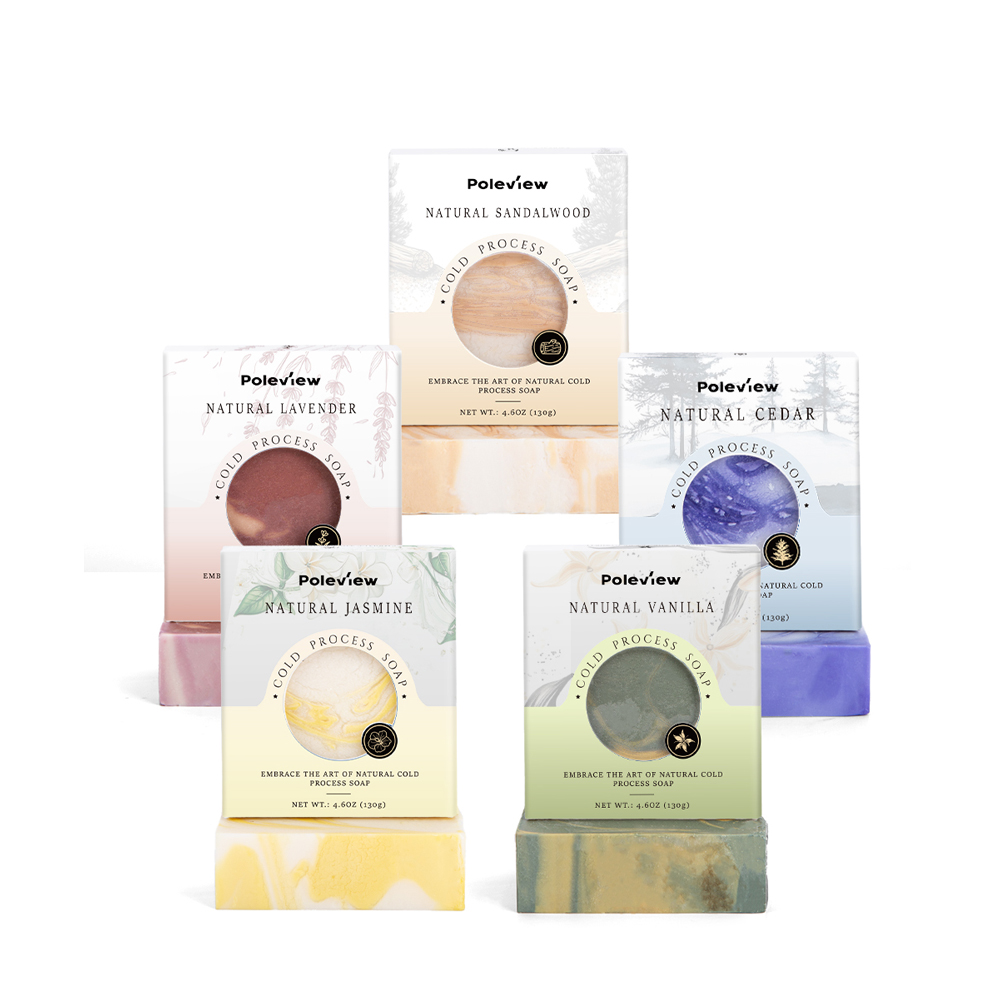
Beim Bezug echter, natürlicher handgemachter Seife aus China kommt es auf eine Entscheidung an: die Wahl eines werksdirekten Partners, für den Compliance, Reifequalität und Liefertreue nicht verhandelbar sind. Poleview Biotechnology Co., Ltd. betreibt eine 30.000 m² große Produktionsstätte für handgemachte Seife mit genau dem Zertifizierungsportfolio — ISO 22716, GMPC, SMETA und FDA —, das westliche und nahöstliche Händler erwarten.
Mit Tausenden bewährten Rezepturen, 100 % natürlichen und tierversuchsfreien Inhaltsstoffen, kostenlosem Design und schneller Prototypenerstellung, flexiblen Mindestbestellmengen und termingerechter Lieferung kann das Team aus Ihrem Markenbriefing eine bemusterte, verkaufsfertige Produktlinie machen. Teilen Sie uns noch heute Ihr Briefing mit für ein Muster und ein transparentes, detailliertes Angebot — und bringen Sie eine konforme, individuelle Naturseife termingerecht zu Ihren Einkäufern.